Why Peptides Are Key Players in Fat Metabolism: A Data-Driven Introduction
Obesity rates have climbed for decades, with over 42% of U.S. adults classified as obese based on CDC reporting. That statistic isn’t abstract. It maps directly onto higher rates of type 2 diabetes, nonalcoholic fatty liver disease, obstructive sleep apnea, and cardiovascular events that show up in clinic schedules and claims data year after year. Diet, exercise, and standard pharmacotherapy help, but they often miss the molecular drivers that decide whether adipose tissue stores energy, releases it, or stays inflamed. That’s where peptide biology earns its keep.
Peptides aren’t lab jargon. They’re short amino acid sequences that act as signals, binding receptors and changing what cells do next, sometimes within minutes. In adipose tissue, liver, gut, muscle, and brain, peptide hormones and peptide-like drugs shape appetite, insulin secretion, lipolysis, mitochondrial function, and even how readily fat cells recruit immune cells. The research story here is getting sharper: investigators are mapping receptor pharmacology, downstream second messengers, and tissue-specific effects with a level of resolution we didn’t have even 10 years ago.
The problem is that peptides still get treated as “nice-to-know” by a lot of clinicians and a big chunk of the public. Many obesity interventions still center on calorie restriction or appetite blunting alone, which is only one slice of the physiology. Peptides work closer to the machinery. They can act directly on adipocytes, shift mitochondrial oxidative capacity, and modulate hormonal axes that govern energy balance. That’s the core of understanding the role of peptides in fat metabolism: research insights that go beyond calorie math and into signaling biology. Big difference.
But peptides aren’t magic bullets. Their pharmacokinetics (absorption, distribution, metabolism, excretion) vary wildly by sequence, modifications, formulation, and route of administration. And in research settings, quality is the quiet variable that can ruin an otherwise well-designed study. I’ve seen “same peptide, same dose” experiments diverge simply because one lot had a different impurity profile on HPLC. Worth noting. Amino Pharm, for example, supplies peptides with 99% purity and consistent batch-to-batch analysis to support research reproducibility. That kind of documentation matters when you’re trying to publish results that survive peer review.
Fat metabolism research is shifting, and peptides have moved from niche molecules to central tools for probing mechanism. Understanding their role means getting comfortable with receptor signaling, tissue cross-talk, and metabolic flexibility, not just macronutrient spreadsheets. And if you’re serious about metabolic health science, you can’t keep peptides on the sidelines.
Molecular Mechanisms: How Peptides Modulate Fat Metabolism at the Cellular Level
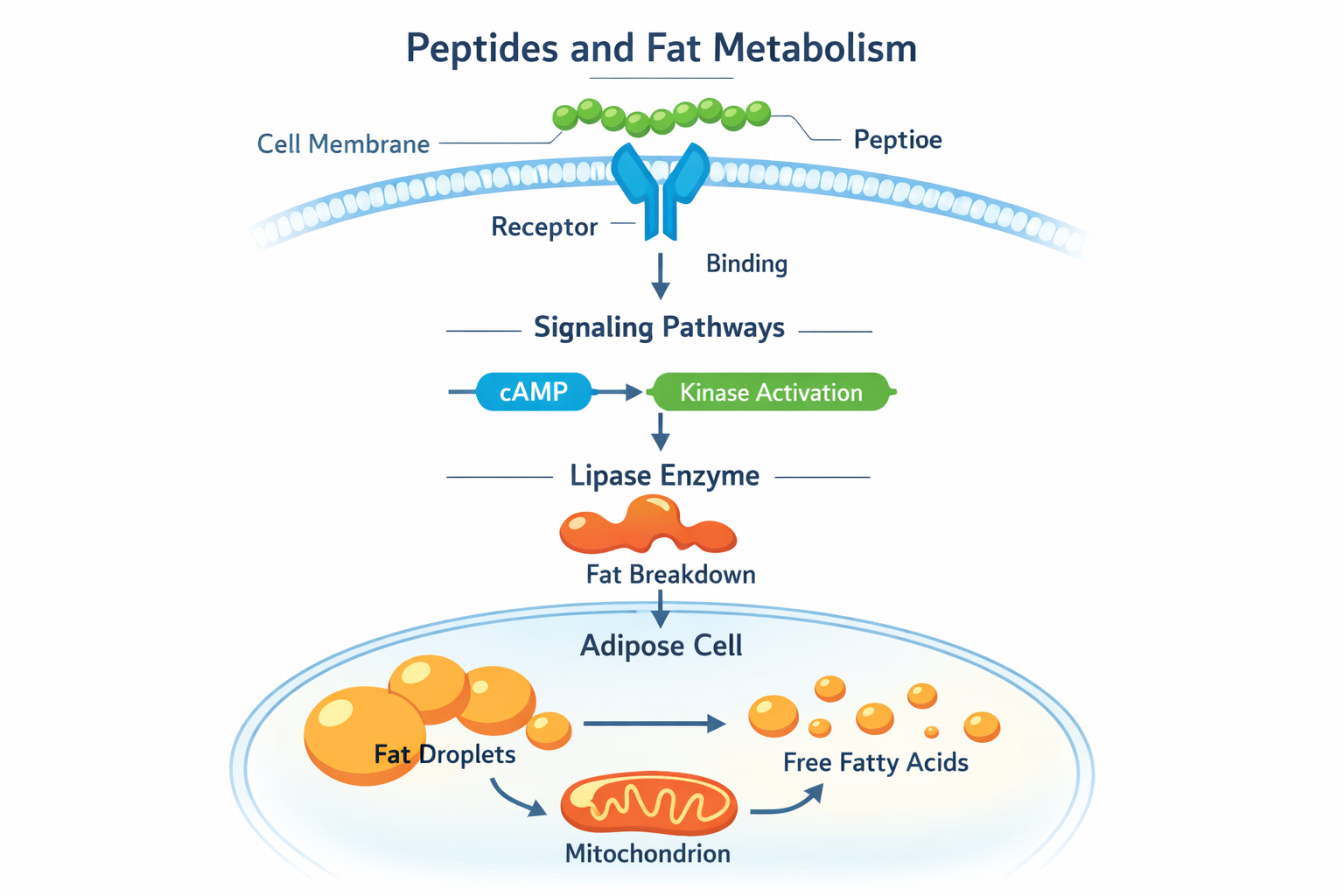
Let’s get specific: how do peptides actually change what fat cells do? They bind receptors, trigger intracellular signaling cascades, and alter gene expression and enzyme activity that control lipid storage, lipolysis, and fatty acid oxidation.
Adipocytes aren’t passive “bags of triglyceride.” They’re endocrine cells with active signaling networks, immune interactions, and mitochondrial dynamics. Peptides such as GLP-1 (glucagon-like peptide-1) bind GLP-1 receptors (GLP-1R) across multiple tissues, including pancreatic beta cells and parts of the central nervous system, with downstream effects that include appetite reduction and improved insulin sensitivity. In the context of lipid handling, GLP-1–linked signaling is associated with shifts toward lipolysis and improved metabolic partitioning, although the magnitude and tissue specificity vary by model and by whether you’re looking at direct adipocyte effects versus indirect systemic effects. That nuance gets lost online, and it shouldn’t. FDA-approved drugs like semaglutide exploit this receptor biology, but the underlying receptor–ligand kinetics and downstream signaling are what matter for mechanism.
MC4R (melanocortin-4 receptor) signaling is another example where peptides influence fat metabolism through the brain. Peptides that activate MC4R in the hypothalamus can increase sympathetic nervous system output, which in turn promotes lipolysis in white adipose tissue and supports mitochondrial biogenesis. Mitochondria are the workhorses for beta-oxidation. More mitochondrial capacity generally means a higher ceiling for fatty acid oxidation, though real-world outcomes still depend on diet, activity, and baseline insulin resistance. And yes, the CNS angle makes some researchers uncomfortable because it’s harder to measure cleanly than a petri dish assay, but it’s central to energy homeostasis.
Cellular energy sensors also sit in the middle of this story. AMPK (AMP-activated protein kinase) responds to low-energy states by promoting glucose uptake and fatty acid oxidation while dialing down energy storage pathways. Certain peptides can increase AMPK activity directly or via upstream signaling, shifting cells away from lipogenesis and toward oxidation. PGC-1α (peroxisome proliferator-activated receptor gamma coactivator 1-alpha) is tightly linked to mitochondrial biogenesis and oxidative metabolism, and peptide-driven increases in PGC-1α–associated programs can support higher oxidative capacity in relevant tissues. The biology is elegant. It’s also messy in vivo.
Here’s a quick table summarizing key peptide-receptor interactions and their metabolic consequences:
| Peptide | Receptor Target | Primary Effect | Downstream Mechanism |
|---|---|---|---|
| GLP-1 | GLP-1R | Enhances lipolysis, insulin sensitivity | Increases cAMP, activates PKA pathway |
| Melanocyte Stimulating Hormone (α-MSH) | MC4R | Boosts energy expenditure, lipolysis | Activates sympathetic nervous system |
| Growth Hormone-Releasing Peptide (GHRP) | GHSR | Stimulates growth hormone release, lipolysis | Modulates GH axis, increases fat breakdown |
| Tirzepatide (GIP/GLP-1 dual agonist) | GIPR & GLP-1R | Improves fat oxidation, glucose metabolism | Enhances mitochondrial function, reduces inflammation |
Peptides’ ability to influence mitochondrial biogenesis is one of the more compelling mechanisms in this field. Studies have reported increases in mitochondrial DNA content and upregulation of fatty acid oxidation enzymes after exposure to specific peptide signals, which aligns with improved energy utilization. This isn’t just bench theory. Clinical trials with tirzepatide, for instance, report improvements in lipid profiles and reductions in fat mass that are consistent with shifts in substrate handling and energy balance, even if pinning every effect to a single pathway is an oversimplification (research from polarispeptides.com).
And it’s not only about adipose tissue. Muscle matters, a lot. Peptides that influence growth hormone pathways can indirectly affect fat metabolism by supporting lean mass and recovery, which changes resting energy expenditure and insulin sensitivity. The muscle–adipose axis is where “fat loss” discussions either get serious or get sloppy, and I’ll take serious every time.
Pharmacokinetics still complicate interpretation. Half-life, receptor desensitization, tissue penetration, and route of administration all shape outcomes, and some compounds require injection while others are engineered for longer stability. Batch testing is non-negotiable if you want interpretable data, especially when comparing studies across labs. That’s why sourcing from suppliers with documented analytical methods, including consistent purity and identity testing, matters for research integrity. Amino Pharm emphasizes strict quality control and analytical verification, which is exactly what you want before you attribute an effect to “the peptide” rather than to an impurity or a degraded lot.
If you want a concrete example of how one peptide family is discussed mechanistically, exploring Glucagon peptide functions is a solid starting point. It walks through how these signals can orchestrate metabolic shifts across tissues, not just in a single cell type.
Overall, peptides don’t merely “tweak” fat metabolism. They can redirect it through receptor signaling, hormonal axes, mitochondrial dynamics, and energy-sensing pathways that interact in ways traditional calorie-centric models don’t capture. Trying to address metabolic dysfunction without this biology is like troubleshooting an engine by staring at the paint job.
Systemic Effects of Peptides on Energy Balance and Metabolic Regulation
Peptides have an outsized role in whole-body energy balance, fat storage, and metabolic regulation. When people talk about “systemic” fat metabolism, they’re really describing a constant back-and-forth between brain, gut, adipose tissue, liver, pancreas, and skeletal muscle. Peptides are a big part of the messaging layer that keeps those organs coordinated.
Some peptides act in the central nervous system, particularly in hypothalamic circuits that regulate appetite and energy expenditure. Others act peripherally, changing adipocyte lipolysis, muscle substrate use, hepatic glucose output, or pancreatic insulin secretion. Neuropeptide Y (NPY) is a classic example on the CNS side. When NPY signaling rises, appetite increases and energy conservation becomes more likely, which biases physiology toward fat storage. Leptin, secreted by adipose tissue, sends the opposite signal, satiety and increased energy expenditure. The catch is leptin resistance in obesity, a well-described phenomenon where circulating leptin is high, but central signaling is blunted, so the “I’m full” message doesn’t land.
GLP-1 remains one of the best-characterized peptides in this space. It’s secreted by intestinal L-cells after food intake, slows gastric emptying, and promotes glucose-dependent insulin secretion. It also signals centrally to reduce appetite and increase satiety, which helps explain why GLP-1 receptor agonists have become a mainstay in obesity pharmacotherapy. But GLP-1 isn’t a solo act. Energy balance is regulated by a network of peptides with overlapping and sometimes competing effects.
Peptide YY (PYY) suppresses appetite, while adiponectin generally supports insulin sensitivity and healthier lipid handling in muscle and adipose tissue. The relative balance among these signals influences metabolic flexibility, meaning the ability to switch between carbohydrate and fat oxidation depending on availability and demand. That flexibility tends to be impaired in insulin resistance, and it’s one reason two people can eat the same diet and show very different lipid and glucose responses.
Peripheral peptides can also act more directly on lipid metabolism. Some signals promote lipolysis, releasing free fatty acids from triglyceride stores. Others influence mitochondrial function in muscle, which affects fatty acid oxidation capacity and recovery after exercise. The details matter here because “more lipolysis” isn’t automatically good. If fatty acids are released but not oxidized, they can contribute to ectopic lipid deposition and worsen insulin resistance. That’s a caveat worth keeping on the table.
The central-versus-peripheral distinction shapes therapeutic strategy. CNS-targeted pathways tend to change appetite and behavior, while peripheral pathways can shift adipocyte biology, hepatic metabolism, and muscle fuel use. In practice, the system behaves like a feedback loop, and interventions often ripple across multiple organs whether you intended them to or not.
Peptides involved in systemic fat metabolism also intersect with growth hormone signaling, which can influence lipolysis and lean mass. That interplay is one reason body composition changes don’t always track perfectly with scale weight. It’s also why mechanistic papers often measure more than one endpoint, such as HOMA-IR, fasting triglycerides, adipokines, and sometimes indirect calorimetry when budgets allow.
Given the complexity, research-grade peptides used in controlled lab settings give a clearer read than supplement claims. Analytical methods and batch testing help confirm identity, purity, and consistency, which is the baseline for reproducible pharmacology. Amino Pharm, for example, supplies peptides with over 99% purity, strictly for research use, not human consumption.
Understanding these systemic effects is central to understanding the role of peptides in fat metabolism: research insights that reflect real physiology. It’s not just “burn more calories” or “eat less.” It’s coordinated signaling, tissue cross-talk, and measurable shifts in endocrine and metabolic endpoints.
Therapeutic Peptides Targeting Obesity and Metabolic Disorders: Current Research Landscape
Interest in peptide-based therapies for obesity and metabolic disease has accelerated, largely because the clinical signal is hard to ignore. Researchers are testing multiple peptide classes and peptidomimetics, some already embedded in treatment guidelines. Still, anyone selling these as effortless fixes is overselling. The efficacy is real, the trade-offs are real too.
GLP-1 receptor agonists are the headline group. Semaglutide, a synthetic GLP-1 analog, has produced weight loss up to about 15% over 68 weeks in major clinical trials, outperforming many older anti-obesity medications. Mechanistically, it enhances glucose-dependent insulin secretion, slows gastric emptying, and reduces appetite. Clinical datasets also show improvements in glycemic control and several cardiometabolic risk markers, which is why these drugs sit at the intersection of obesity and type 2 diabetes care. But side effects, especially nausea and other GI symptoms, are common, and response variability is obvious in real-world cohorts. Some patients lose dramatically, others plateau early.
Melanocortin receptor agonists target MC4R in the hypothalamus, a key node in appetite regulation and energy expenditure. Setmelanotide has FDA approval for certain rare genetic obesity syndromes by restoring function in the MC4R pathway. That’s a genuine precision-medicine win. Its role in common obesity is still being studied, with mixed results so far, and blood pressure effects require attention in trial design and monitoring.
Growth hormone secretagogues (GHS), including ghrelin mimetics, take a different route by stimulating growth hormone release. Growth hormone can promote lipolysis and support lean mass, which may improve body composition and some metabolic parameters. The complication is appetite. Some GHS approaches can increase hunger, which is a poor fit for weight-loss goals unless the protocol is carefully designed and the indication is appropriate.
Here’s a quick comparison of these therapeutic peptides:
| Peptide Class | Mechanism of Action | Clinical Outcomes | Safety Profile | Notes |
|---|---|---|---|---|
| GLP-1 Receptor Agonists | Enhance insulin secretion, suppress appetite, slow gastric emptying | Up to 15% weight loss, improved glycemic control | GI side effects common | Semaglutide widely used; requires monitoring |
| Melanocortin Receptor Agonists | Activate MC4R to reduce appetite, increase energy expenditure | Effective in genetic obesity disorders | Generally safe but monitor BP | Limited data in general obesity |
| Growth Hormone Secretagogues | Stimulate GH release, promote lipolysis and muscle growth | Modest fat loss, improved recovery | Appetite effects variable | Useful adjunct but not stand-alone |
Trial readouts keep getting more nuanced. Combination incretin therapies, including GLP-1 plus GIP receptor agonism (tirzepatide is the best-known example), have produced even larger average weight loss, with some studies reporting up to about 20% at around one year. That’s impressive. But pharmacokinetics still drive practical constraints, dosing schedules, persistence, and discontinuation rates, and those factors can flatten outcomes outside tightly controlled trials.
Safety is still the long pole for several peptide strategies. Long-term effects aren’t fully characterized for every pathway, and many peptides have multi-system actions that extend beyond adipose tissue. Growth hormone–related approaches, for example, can affect insulin sensitivity depending on dose, duration, and baseline metabolic status. This is exactly why rigorous analytical characterization matters in research, identity confirmation, purity, potency, and stability, especially when comparing outcomes across studies. Amino Pharm emphasizes US-made, 99% pure compounds for laboratory use, which supports controlled experimentation rather than anecdote-driven conclusions.
Will these therapies replace lifestyle interventions? No, and I’m comfortable saying that plainly. Peptide-based drugs can meaningfully reduce appetite, improve glycemic control, and shift body composition, but diet quality, physical activity, sleep, and adherence still determine whether benefits persist. For patients with obesity or metabolic syndrome who haven’t responded to standard approaches, though, these therapies expand the toolkit in a mechanistically grounded way.
If you want to understand the details behind peptides like semaglutide and how they’re reshaping treatment, take a look at the insights on Semaglutide peptides. And for a broader perspective, check out this thorough 
The field is moving fast. But peptide therapies aren’t a silver bullet, they’re pharmacology, and they belong in scientific and clinical contexts with real monitoring.
Emerging Peptides and Novel Mechanisms: Frontiers in Fat Metabolism Research
Prolactin-releasing peptide (PrRP) and apolipoprotein mimetics don’t come up much in mainstream obesity conversations, but they’re showing up more often in serious metabolic research. PrRP was initially tied to hypothalamic appetite regulation, yet newer work suggests it can influence energy expenditure and lipid metabolism through pathways connected to sympathetic tone. The interesting claim is that it may promote fat breakdown without the classic stimulant profile, though that’s still something the data need to keep proving across models. Rodent studies have reported reduced fat mass and improved insulin sensitivity after PrRP administration, which is encouraging. It’s also early.
Apolipoprotein mimetics are synthetic peptides designed to mimic functional features of natural apolipoproteins involved in lipid transport and cholesterol handling. Much of the early excitement focused on reverse cholesterol transport and atherosclerosis-related endpoints. Now researchers are asking a more metabolic question: can improving lipid clearance and altering adipocyte signaling reduce obesity-linked dysfunction, even when weight loss is modest? That’s a better question than “does it melt fat,” and it’s closer to how cardiometabolic risk actually behaves.
Peptide engineering has also matured, especially with peptidomimetics, which are peptide-like molecules built for improved stability, pharmacokinetics, and bioavailability. Natural peptides often degrade quickly and don’t always reach target tissues efficiently. Peptidomimetics can resist enzymatic breakdown while maintaining receptor activity, which helps with dosing schedules and signal consistency. Researchers are modifying amino acid sequences, adding non-natural residues, and adjusting lipidation or other chemical features to extend half-life and tune receptor bias. (Yes, the chemistry can get a little obsessive, but it’s productive.)
Most of these advances are still preclinical, and translation isn’t guaranteed. A 2025 study by Zhang et al. described a novel peptidomimetic that increased lipid oxidation rates by 25% in obese mice compared with its natural counterpart, a strong signal that stability and receptor engagement can change metabolic output. Those same reports often note improvements in mitochondrial function and reductions in adipose inflammation markers, which is a compelling combination for metabolic health. Still, mouse data don’t automatically predict human outcomes, and formulation, dosing, and off-target effects can change the story quickly.
Before any clinical rollout, analytical verification has to be rigorous: identity, purity, potency, stability, and ideally impurity profiling with validated methods. Batch testing isn’t paperwork. It’s the difference between interpretable biology and noise. Amino Pharm provides research-grade peptides at 99% purity for mechanistic study, and it’s important to keep the boundary clear: these products are strictly for research use, not human consumption.
Researchers are also probing interactions between novel peptides and established endocrine pathways, including growth hormone signaling, to see whether combined effects on lean mass, recovery, and fat oxidation can be achieved without unacceptable trade-offs. It’s a complex dance, and we’re still working out the steps. But the takeaway is straightforward: the frontier of fat metabolism research isn’t limited to GLP-1 anymore, and new candidates, plus engineered molecules, are opening mechanistic angles that weren’t on the table a decade ago (research from ScienceDirect).
Dietary and Natural Sources of Bioactive Peptides Impacting Fat Metabolism
Food isn’t just calories and macros. It can also deliver short peptide sequences that nudge lipid handling, sometimes in measurable ways. That idea sits at the center of understanding the role of peptides in fat metabolism: research insights, and it’s why “food peptides” keep showing up in functional food and nutraceutical papers.
Most of these compounds originate from protein hydrolysates, meaning intact proteins that have been enzymatically cleaved into smaller fragments during digestion, fermentation, or processing. Dairy (especially fermented dairy), soy, egg, and marine proteins are common starting materials. The details matter, too. Hydrolysis conditions (enzyme choice, time, temperature) can change the peptide profile dramatically, which is one reason two “fish hydrolysates” can behave nothing alike in assays.
Marine peptides deserve their own paragraph. Peptides derived from fish, algae, and shellfish have repeatedly shown activity in lipid metabolism models, including inhibition of pancreatic lipase, which can reduce dietary fat absorption in the gut. Others appear to increase AMPK signaling, a cellular energy sensor linked to fatty acid oxidation and mitochondrial biogenesis. Some sequences also alter adipocyte differentiation, slowing the maturation of preadipocytes into lipid-storing adipocytes. Worth noting.
Mechanistically, dietary peptides don’t all act the same way. Some behave like signaling ligands, binding receptors on adipocytes or hepatocytes and shifting gene expression tied to lipolysis, beta-oxidation, and lipid transport. Others improve insulin sensitivity indirectly, which can change partitioning, less storage, more oxidation, at least in controlled settings. And yes, anti-inflammatory and antioxidant effects show up often, which matters because chronic low-grade inflammation in obesity can blunt metabolic flexibility and worsen dyslipidemia.
So what does the human evidence look like? It’s mixed, and the effect sizes are usually modest. A small set of clinical trials reports improvements in lipid profiles (think triglycerides, LDL-C patterns) or small shifts in body composition over roughly 8 to 12 weeks, particularly with fermented dairy peptides or marine-derived preparations. In practice, these products tend to behave more like adjuncts than primary interventions. That’s an honest framing, and it’s the one I’d use if I were reviewing a grant proposal in this space.
If you’re sourcing peptides for controlled research, consistency is the whole ballgame. Amino Pharm supplies clinically tested, US-made peptides with consistent batch testing, which matters when you’re trying to interpret receptor binding data, pharmacokinetics, or downstream gene expression without wondering if the material changed between lots. These are strictly research products, not approved for human use. For teams looking specifically at sex-specific outcomes (a neglected area, frankly), the Best peptides for women’s weight management overview can serve as a practical starting point for study design and candidate selection.
Diet-derived peptides offer a natural, bioactive angle on lipid metabolism, but they’re not a silver bullet. They may fit best as part of broader metabolic strategies targeting obesity and metabolic syndrome, especially alongside diet quality, resistance training, and, when appropriate, pharmacotherapy (detailed review on marine peptides).
Challenges and Considerations in Translating Peptide Research to Clinical Practice
The biology is exciting. The translation is messy.
Peptide stability is a recurring headache because many sequences degrade quickly with enzymes, temperature shifts, or pH changes. Oral delivery often fails for classic peptide candidates because proteases in the GI tract do what they’re supposed to do. That pushes development toward injections, depot formulations, or protective delivery systems, each adding cost, complexity, and new failure points (and yes, patients notice).
Bioavailability is the next bottleneck. Even with parenteral administration, tissue exposure can vary widely based on pharmacokinetics: absorption, distribution, metabolism, elimination. Small structural changes can shift half-life or receptor selectivity, and inter-individual variability (body composition, renal clearance, hepatic function, concomitant meds) can turn a clean PK curve into a scatterplot. Big difference.
Safety questions extend beyond “does it work.” Many peptides touch interconnected endocrine and metabolic pathways, so off-target effects aren’t hypothetical. A peptide that increases growth hormone release may support lean mass or recovery in certain contexts, but it can also affect insulin sensitivity, fluid balance, and cardiovascular endpoints depending on dose and duration. Regulators tend to be conservative here for good reason, long-term data are limited, and many candidates remain stuck in early-phase trials or research-only status. That limbo slows clinical adoption and leaves clinicians with few evidence-based protocols to lean on.
Long-term outcomes are another gap. Most studies run weeks to a few months, while obesity and metabolic disease play out over years. Without longer follow-up, it’s hard to rule out metabolic adaptation, tachyphylaxis, rebound effects after discontinuation, or rare adverse events that only emerge with time. I’ve seen otherwise promising metabolic interventions look great at 8 weeks and disappoint at 12 months, so skepticism is healthy.
Quality control is the unglamorous part that still decides whether results replicate. Batch testing, impurity profiling, and standardized analytical methods (HPLC/UPLC, mass spectrometry confirmation, endotoxin testing when relevant) determine whether one lab’s “peptide effect” is another lab’s noise. And the field still suffers from inconsistent reporting of purity, counterions, and storage conditions, which can quietly distort outcomes.
Mechanistic uncertainty also persists. Some peptides primarily affect lipid oxidation, others shift appetite signaling, insulin pathways, or adipokine profiles. But how these pathways interact across populations (sex differences, age, insulin resistance status, NAFLD, PCOS, concomitant GLP-1 use) isn’t fully mapped. Better-designed, adequately powered trials are still needed, ideally with pre-registered endpoints and clear PK/PD linkage.
If you’re working with peptides sourced from a supplier like Amino Pharm, keep the boundary clear: these compounds are for research use only, not human consumption. Clinical translation is moving, but a lot of the “how” and “for whom” is still unanswered.
Comparative Analysis: Peptides Versus Traditional Fat Loss Modalities
Peptides don’t compete with everything, they sit beside it.
Traditional pharmacologic options such as orlistat or GLP-1 receptor agonists (for example, semaglutide) tend to work through appetite suppression, satiety signaling, or reduced fat absorption. Lifestyle interventions, nutrition, physical activity, sleep, remain the foundation because they address energy balance and cardiometabolic risk broadly. Surgical approaches like bariatric surgery can produce large, durable weight loss and major improvements in glycemic control, but they come with procedural risk and long-term nutritional management.
Peptides occupy a narrower, more mechanistic niche. Many candidates aim at molecular signaling tied to lipolysis, energy expenditure, substrate utilization, or insulin sensitivity. Some growth hormone secretagogues may increase lean mass or recovery, which can indirectly influence resting energy expenditure and training capacity. Others mimic incretin-like effects, shaping appetite and glucose regulation with more specific receptor targeting.
| Modality | Mechanism | Advantages | Limitations |
|---|---|---|---|
| Peptides | Target metabolic/signaling pathways | Potential for precise metabolic targeting; muscle growth benefits | Stability and delivery challenges; limited long-term data; research-only status |
| Pharmacological Agents | Appetite suppression, fat absorption inhibition | Established dosing, FDA-approved options | Side effects (GI issues, cardiovascular risk); less effective without lifestyle changes |
| Lifestyle Interventions | Caloric deficit via diet/exercise | Low risk, broad health benefits | Compliance issues; slow, variable results |
| Surgical Procedures | Physical alteration of GI tract | Significant, sustained weight loss | Surgical risks; irreversible; lifestyle adjustment required |
Personalization is the main argument in favor of peptide-based approaches. In principle, sequences can be selected or engineered around a patient’s metabolic phenotype, receptor expression patterns, or tolerability constraints. Combination strategies are also plausible. Pairing an agent that supports lipid oxidation with dietary changes can produce additive effects without extreme calorie restriction, at least in theory. But theory doesn’t get a drug approved.
And here’s the catch. Comparative studies are limited, head-to-head trials are rare, and inconsistent manufacturing and testing standards still complicate clinical consistency. Pharmacokinetics can vary enough that two patients on the same protocol might experience very different exposure and response.
New development work continues to accelerate, including combination approaches highlighted in from Fortrea on obesity drug development. That trend matters because obesity pharmacotherapy is increasingly moving toward multi-target mechanisms rather than single-pathway bets.
If you want one concrete example of how peptide signaling can intersect with tissue repair and metabolic context, the Tb500 peptide mechanism overview is a useful read.
Peptides aren’t a silver bullet right now. But they may become valuable complements to established strategies once the field tightens trial design, standardizes analytics, and gets serious about long-term safety and durability.
Frequently Asked Questions on Peptides and Fat Metabolism
Q: How exactly do peptides influence fat metabolism?
Peptides can act as signaling molecules that activate specific pathways involved in fat storage and fat breakdown. Depending on the sequence and target, they may increase lipolysis, shift lipid oxidation, or improve insulin sensitivity, which can change whether energy is stored or burned. And some candidates influence growth hormone signaling, which can indirectly affect body composition. Evidence exists, but mechanisms and effect sizes vary, and the supporting literature is uneven, including research from paylinedata.com.
Q: Are peptide therapies safe and effective for fat loss?
It depends on the peptide, the dose, the route of administration, and the quality of the material. Research-grade peptides from suppliers like Amino Pharm that perform batch testing and report high purity (often cited around 99%) reduce one avoidable source of risk, inconsistent inputs. However, these compounds are for research use only, not human consumption. Efficacy signals exist for some targets, but long-term safety, ideal pharmacokinetics, and real-world durability are still open questions.
Q: Can peptides replace traditional fat loss methods like diet and exercise?
No. At best, they complement fundamentals like nutrition, activity, and sleep. Most realistic outcomes are incremental, not dramatic, especially when compared with established pharmacotherapy or bariatric surgery.
Q: What about common misconceptions around peptides and fat metabolism?
A common myth is that all peptides “torch fat” quickly. In reality, outcomes depend on amino acid sequence, receptor affinity, downstream signaling, and delivery method. Another misconception is that peptides are interchangeable, they’re not. If you’re doing serious work in this area, sourcing and documentation matter, including GMP-adjacent quality systems and transparent analytics (and yes, that’s boring, but it prevents bad science). For more on that, see understanding the importance of GMP certification.
Frequently Asked Questions
How do peptides specifically influence fat metabolism?
Peptides influence fat metabolism by binding to specific cell receptors and triggering signaling cascades that regulate lipolysis (fat breakdown), energy expenditure, and insulin sensitivity. By shifting these pathways, they can change how the body stores and uses lipids, with downstream effects on metabolic flexibility and cardiometabolic markers.
Are peptide-based therapies safe for long-term obesity treatment?
Early clinical trials suggest some peptide-based therapies have acceptable short-term safety profiles in obesity-related indications. But long-term safety remains under study, and that’s the deciding factor for broad clinical adoption. Chronic use raises different questions than 8-week efficacy studies, including cardiovascular outcomes, endocrine effects, and durability after discontinuation.
Can dietary peptides significantly impact fat metabolism?
Dietary peptides can influence fat metabolism, particularly through modest effects on lipid handling, insulin signaling, inflammation, and oxidative stress. In most cases, food-derived peptides appear less potent than pharmaceutical peptides designed for specific receptors, which is exactly what you’d expect given differences in dose, stability, and bioavailability (plus the GI tract is not gentle).
What are the main challenges in developing peptide therapies for fat loss?
Key challenges include maintaining stability, achieving predictable delivery and bioavailability, establishing clean pharmacokinetics and pharmacodynamics, and meeting regulatory requirements with adequate long-term safety data. Manufacturing quality control and standardized analytical methods also matter because inconsistent purity and potency can derail both trials and replication.
How do peptide therapies compare to traditional weight loss methods?
Peptide therapies can target fat metabolism at a molecular level, sometimes with more pathway specificity than older agents. Still, they’re generally best viewed as complementary to lifestyle interventions and, when appropriate, established anti-obesity medications. Standalone peptide approaches rarely outperform comprehensive programs in real-world settings (that’s the mildly unpopular truth).
References
- “Discovery of peptides as key regulators of metabolic and …” , sciencedirect.com , https://www.sciencedirect.com/science/article/pii/S2211124725006072
- “Fat Loss Peptides in 2026: How They Really Work, Who …” , dev.catalog.calpia.ca.gov , https://dev.catalog.calpia.ca.gov/custom/assets/review.html?p=fat-loss-peptides-in-2026-how-they-really-work-who-they-help-and-when-to-think-twice-69a54d0446df9
- “Top Peptides for Fat Loss in 2026: What Really Works, Safe …” , nebsa.org , https://nebsa.org/discover.html?p=top-peptides-for-fat-loss-in-2026-what-really-works-safe-meal-ideas-and-doctor-backed-advice-69733c59510e0
- “New Era of Obesity Drug Development” , fortrea.com , https://www.fortrea.com/insights/new-era-obesity-drug-development
- “How Peptides Influence Fat Cells: Exploring Key Interactions” , paylinedata.com , https://paylinedata.com/blog/how-peptides-influence-fat-cells
- “Tirzepatide Peptide: A Comprehensive Research Overview” , polarispeptides.com , https://polarispeptides.com/tirzepatide-peptide-research/
- “Effects of tirzepatide on circulatory overload and end-organ …” , nature.com , https://www.nature.com/articles/s41591-024-03374-z
- “Research progress in lipid metabolic regulation of bioactive …” , link.springer.com , https://link.springer.com/article/10.1186/s43014-022-00123-y
- “What Research Reveals About Peptide Therapies for Fat …” , fourtocookfor.com , https://www.fourtocookfor.com/sites/detail/content/?p=What-Research-Reveals-About-Peptide-Therapies-for-Fat-Reduction-U8MIL91PLmYJH
- “The Role of Peptides in Nutrition: Insights into Metabolic …” , semanticscholar.org , https://www.semanticscholar.org/paper/The-Role-of-Peptides-in-Nutrition%3A-Insights-into-A-Zakir-Jawed/173f198ebed3efd87ad6cae966ab35e71be0a73c