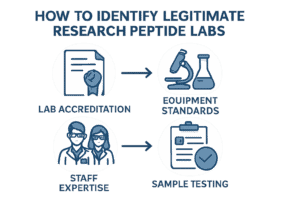
Good Manufacturing Practice (GMP) certification is a cornerstone of quality assurance in the production of research peptides. It ensures that products are consistently manufactured and controlled according to stringent quality standards. This certification is crucial for maintaining the integrity and reliability of research compounds. For researchers and suppliers, Understanding the Importance of GMP Certification clarifies how quality systems protect every stage of peptide production.
Key Takeaways
GMP certification is a globally recognized framework ensuring research peptides are manufactured safely and consistently through rigorous controls, documentation, validation, and audits. It mitigates risks beyond end-product testing by governing materials, facilities, personnel, and processes, enabling full traceability and reproducibility. For manufacturers it signals credibility and operational excellence, while for researchers and buyers it provides confidence and clear cues for identifying trustworthy GMP-certified products.
GMP compliance involves a comprehensive set of GMP guidelines covering every aspect of production. From raw materials to the hygiene of staff, every detail matters. These guidelines are designed to minimize risks that cannot be eliminated through final product testing alone.
Understanding GMP certification is vital for researchers and consumers alike. It provides confidence in the safety and quality of research peptides. This assurance is essential for those who rely on these compounds for scientific exploration.
GMP standards are recognized globally, facilitating international trade in pharmaceuticals and research compounds. These standards and GMP guidelines are periodically updated to incorporate new scientific and technological advancements. This ensures that GMP remains relevant and effective in safeguarding product quality.
The process of obtaining GMP certification is rigorous. It involves detailed documentation, process validation, and regular audits. These measures ensure ongoing compliance with established standards.
For manufacturers, GMP certification offers a competitive advantage. It signifies a commitment to quality and can lead to improved operational efficiency. For consumers, it means access to high-quality, reliable products.
In the world of research peptides, GMP certification is more than a regulatory requirement. It is a mark of trust and quality assurance. Understanding its importance helps consumers make informed decisions when purchasing research peptides and GMP-compliant materials.
What is GMP? Defining Good Manufacturing Practice
Good Manufacturing Practice, or GMP, establishes a system to ensure consistent product quality. It encompasses a set of guidelines focusing on all facets of production. Understanding GMP is crucial for anyone involved in pharmaceuticals or research.
GMP regulations set forth clear standards for manufacturing. They cover a range of elements, such as equipment, facilities, personnel, and documentation. Each aspect is crucial to maintaining production quality.
Here are core components of GMP:
- Documentation: Maintaining accurate and detailed records for traceability.
- Personnel: Ensuring trained staff follows strict hygiene practices.
- Facilities: Designing layouts to prevent contamination and maintain cleanliness.
GMP ensures each product batch matches strict quality specifications. It prioritizes risk management, preventing issues during production. This approach minimizes the likelihood of errors and ensures product integrity.
As science and technology evolve, so do GMP regulations. They are periodically updated to incorporate the latest advancements and align with current GMP guidelines. This ensures ongoing protection of consumer safety and product quality. Understanding these principles helps demystify the manufacturing process for those new to research peptides.
GMP Certification Meaning and Process
GMP certification serves as a formal acknowledgment that a facility complies with Good Manufacturing Practice standards. This certification is recognized globally, offering a competitive edge in international markets. It’s not just a stamp of approval; it indicates a commitment to quality and safety. Many people ask what GMP certification covers in practice and how it is verified.
Obtaining GMP certification is a detailed process involving several stages. Initially, the facility undertakes a comprehensive self-assessment. This involves reviewing current practices and identifying areas needing improvement.
Following the self-assessment, a third-party organization conducts an audit. This organization examines various aspects like procedures, documentation, and employee training. The audit ensures that all facets of production align with GMP standards.
Key steps in the GMP certification process include:
- Self-assessment: Internal review of procedures and practices.
- Third-party audit: External examination by an accredited body.
- Corrective actions: Addressing any identified issues.
- Documentation review: Ensuring detailed record-keeping practices.
Upon successful completion, the facility receives certification. However, the process doesn’t end there. Regular audits are necessary to maintain the certification, ensuring ongoing compliance with GMP standards.
Certification offers assurance to researchers and consumers that products are consistently high in quality. It’s a rigorous process, but the benefits of obtaining and maintaining GMP certification far outweigh the challenges. This certification plays a crucial role in safeguarding the integrity of research peptides and other related compounds.
GMP Standards: Core Principles and Guidelines
Good Manufacturing Practice (GMP) standards form the backbone of high-quality pharmaceutical production. These standards encompass a wide array of principles to ensure product safety and consistency. Following these guidelines minimizes risks that cannot be eliminated by testing alone.
The core principles of GMP focus on several critical areas. Quality management plays a pivotal role in ensuring all processes meet stringent quality benchmarks. Strict hygiene and cleanliness are maintained to prevent contamination.
Facilities and equipment used in manufacturing must adhere to rigorous specifications. This extends to ensuring they are suitable for their intended use and maintained regularly. Each staff member must be adequately trained in their specific roles.
Key elements in GMP standards include:
- Quality management: Procedures that maintain and improve quality.
- Hygiene: Preventive measures to reduce contamination risks.
- Facilities and Equipment: Appropriate design and maintenance.
- Training: Ensuring staff competence in their roles.
Documentation is integral to GMP standards. Precise, accurate, and up-to-date records ensure traceability and accountability. Regular revisions ensure these standards adapt to new scientific and technological advancements and reflect current GMP guidelines. Adherence to GMP standards reassures consumers and researchers alike, underscoring a commitment to product safety and reliability.
GMP Compliance: What It Involves
GMP compliance ensures that production processes consistently meet quality standards. It involves a comprehensive approach to monitoring various aspects of manufacturing. Through consistent oversight, the risk of errors and contamination is minimized.
Compliance entails strict adherence to documented procedures, ensuring that each step is traceable and verified. This includes accurate record-keeping and regular audits. Key areas inspected during these audits include facilities, equipment, and staff practices.
Central to compliance is the meticulous management of raw materials. Receiving, storing, and handling materials follow precise protocols. Each batch is tracked to prevent mix-ups and ensure product integrity.
Personnel play a critical role in maintaining GMP compliance. Continuous training is required to keep everyone informed of current standards and practices. This enhances accountability and minimizes potential errors.
Aspects of GMP compliance include:
- Documented procedures: Ensuring processes are consistently followed.
- Audit and inspection: Regular checks to maintain standards.
- Material management: Strict protocols for handling materials.
- Training and personnel management: Ongoing education for accountability.
Ultimately, GMP compliance is a collective effort that enhances product quality and safety. It represents a commitment to upholding the highest standards in manufacturing processes.
GMP Quality Assurance: Ensuring Consistency and Safety
GMP quality assurance is pivotal in maintaining consistency and safety in manufacturing. This process involves systematic actions designed to provide confidence in the end product. Quality assurance encompasses all aspects of production, from initial material sourcing to the final product.
One key aspect of quality assurance is thorough testing and validation. Each product batch undergoes rigorous testing to verify it meets predefined standards. This reduces variations and ensures that every item matches the intended quality.
Documentation is another crucial element of quality assurance. Detailed records are maintained for every step of the production process. This traceability facilitates swift identification and resolution of any issues that arise.
GMP quality assurance also focuses on creating a safe production environment. Strict hygiene practices are enforced to prevent contamination. Equipment is routinely cleaned and maintained as part of these practices.
Core elements of GMP quality assurance include:
- Testing and validation: Ensuring product consistency.
- Documentation: Keeping detailed records for traceability.
- Hygiene practices: Preventing contamination and maintaining safety.
By implementing these measures, GMP quality assurance upholds safety and consistency in the manufacturing sector. These efforts contribute to the reliability of products, which benefits end users greatly.
GMP Training: Building Competence and Accountability
GMP training is critical for staff to understand and apply manufacturing standards effectively. It provides the foundation for a competent workforce, ensuring that everyone understands their responsibilities. This training fosters accountability, as employees become well-versed in GMP guidelines.
Training programs cover a range of topics to prepare employees thoroughly. These topics include hygiene practices, proper documentation, and equipment maintenance. By equipping staff with this knowledge, businesses can maintain consistent quality in their processes.
Regular training updates are essential to keep pace with evolving GMP standards. As guidelines change, ongoing education ensures that staff stays compliant. This adaptability is crucial for staying ahead in the dynamic manufacturing environment.
Effective training offers numerous benefits:
- Improved processes: Staff can efficiently implement GMP principles.
- Increased accountability: Employees understand and own their roles.
- Regulatory compliance: Training supports adherence to the latest GMP guidelines.
Through comprehensive GMP training, companies build a skilled, responsible workforce capable of maintaining high standards in all operations.
What are GMP Peptides? Research Peptides and GMP
GMP peptides stand out by their strict production under Good Manufacturing Practice guidelines. These guidelines ensure that peptides are produced with high-quality standards. Research peptides require stringent conditions to maintain their integrity and consistency. For readers wondering what are GMP peptides in the context of research peptides and GMP controls, the following overview explains the essentials.
GMP peptides are specifically manufactured for research purposes, following rigorous controls. These controls start with raw material selection, extending through manufacturing and packaging. Adherence to GMP ensures that every batch of peptides meets high-quality benchmarks.
In research, the purity and identity of peptides hold paramount importance. GMP processes minimize the risk of contamination or mix-ups in the production chain. This leads to reproducible results, which are critical for scientific investigations.
The role of GMP in peptide production includes:
- Quality assurance: Ensures each peptide batch is consistent.
- Standard compliance: Meets international standards for manufacturing.
- Risk reduction: Limits contamination and labeling errors.
GMP certification for research peptides signifies a commitment to excellence. It fosters trust among researchers and buyers, who rely on standardized compounds to achieve valid and reliable results in their studies.
GMP Certification for Research Peptides: Why It Matters
GMP certification is essential for peptides utilized in research. It confirms the adherence to Good Manufacturing Practice standards. This certification enhances confidence among researchers regarding the quality and safety of peptides.
Producing research peptides under GMP standards ensures consistency. Each batch must meet specific quality benchmarks, promoting reliability in experimental outcomes. This consistency is crucial for reproducible research results.
Contamination and mix-ups are significant concerns in peptide manufacturing. GMP certification addresses these issues through stringent controls and documentation. By minimizing such risks, it enables a high degree of traceability.
A certified GMP facility undergoes regular audits and inspections. These checks ensure ongoing compliance with established manufacturing standards. They provide assurance that the peptides meet global quality requirements.
Benefits of GMP certification for research peptides include:
- Enhanced reliability: Consistent quality across batches.
- High credibility: Confidence in peptide standards.
- Regulatory compliance: Meets international guidelines.
- Reduced risk: Lowers chances of errors and contamination.
Understanding the value of GMP certification helps researchers choose high-quality peptides. It supports scientific integrity by providing compounds that can be trusted for accurate and meaningful research outcomes.
GMP in Practice: Documentation, Traceability, and Audits
Documentation plays a pivotal role in GMP practice. Every aspect of production is meticulously recorded. This ensures that every batch of research peptides meets stringent standards.
Traceability is another critical element under GMP. It allows tracking each peptide from production to delivery. This transparency helps in identifying any issue that might arise.
Regular audits form the backbone of GMP compliance. These inspections ensure that processes adhere to established guidelines. Audits help in identifying areas for improvement and ensuring continuous compliance with GMP guidelines.
Key practices in GMP include:
- Comprehensive records: Documenting all stages of production.
- Batch tracking: Full traceability from start to finish.
- Routine inspections: Ensuring processes meet standards.
- Continuous improvement: Identifying and addressing issues promptly.
Through rigorous documentation and traceability, GMP practices ensure that research peptides are safe and reliable. Regular audits further reinforce the quality and integrity of these processes.
The Benefits of GMP Certification for Researchers and Buyers
GMP certification offers significant benefits for researchers. It ensures that research peptides are produced under stringent quality controls. This consistency enhances the reliability of research outcomes.
For buyers, GMP certification brings peace of mind. It guarantees that the peptides they purchase meet high safety standards. This assurance is crucial when investing in research materials.
The advantages of GMP-certified peptides include:
- Reliable quality: Consistent production standards.
- Safety assurance: Reduced risk of contamination.
- Enhanced reliability: Trustworthy research data.
- Marketability: Products recognized for quality.
Furthermore, GMP certification supports global trade. It aligns with international quality standards. This recognition facilitates the export of research peptides across borders.
Overall, GMP certification is indispensable for maintaining product integrity. It protects both researchers and buyers by ensuring safety, quality, and trustworthiness in research peptides.
How to Identify GMP-Certified Research Peptides
Identifying GMP-certified research peptides requires attention to specific details. First, examine the product documentation thoroughly. Certification information should be clearly stated.
Labels of certified products often mention GMP compliance explicitly. Verify this information against the supplier’s credentials. Transparency in documentation is a strong indicator of GMP adherence.
When evaluating suppliers, consider the following cues:
- Clear documentation: Includes certification details.
- Supplier transparency: Provides source and testing information.
- Consistent labeling: Clearly mentions GMP compliance.
By focusing on these elements, researchers and buyers can confidently identify GMP-certified products. This knowledge helps ensure the purchase of reliable and quality-controlled research peptides.
Conclusion: The Value of GMP in Research Peptides
GMP certification plays a crucial role in ensuring the quality of research peptides. It provides a framework for consistency and safety in manufacturing.
For researchers and buyers, GMP standards offer peace of mind. They ensure that their materials meet rigorous quality criteria. By prioritizing GMP-certified peptides, you invest in reliable and scientifically sound research. This focus on quality strengthens your work and contributes to credible research outcomes aligned with current GMP guidelines.
References
European Medicines Agency. (2023). Guideline on the development and manufacture of synthetic peptides (EMA/CHMP/QWP/141001/2022). https://www.ema.europa.eu/en/documents/scientific-guideline/guideline-development-manufacture-synthetic-peptides_en.pdf
International Council for Harmonisation of Technical Requirements for Pharmaceuticals for Human Use. (2016). Q7: Good manufacturing practice guide for active pharmaceutical ingredients (Current step 4 version). https://database.ich.org/sites/default/files/Q7%20Guideline.pdf
International Council for Harmonisation of Technical Requirements for Pharmaceuticals for Human Use. (2012). Q11: Development and manufacture of drug substances — Chemical entities and biotechnological/biological entities (Current step 4 version). https://database.ich.org/sites/default/files/Q11%20Guideline.pdf
U.S. Food and Drug Administration. (2024). Current good manufacturing practice (CGMP) regulations. https://www.fda.gov/drugs/pharmaceutical-quality-resources/current-good-manufacturing-practice-cgmp-regulations
U.S. Food and Drug Administration. (2000). Q7A good manufacturing practice guidance for active pharmaceutical ingredients (Guidance for industry). https://www.fda.gov/media/71012/download
World Health Organization. (2022). WHO good manufacturing practices for pharmaceutical products: Main principles (WHO Technical Report Series, No. 1044, Annex 2). https://www.who.int/publications/i/item/9789240063761