Understanding a Peptide Certificate of Analysis (COA) is crucial for researchers. It verifies the quality and purity of peptide batches. This document provides essential details like peptide sequence, form, and lot number.
A COA uses analytical methods such as HPLC and MS to assess purity. These methods ensure the peptide meets high standards, often aiming for 95% purity or higher. Proper storage conditions are also specified to maintain stability.
Researchers rely on COAs for evidence-led data. This helps in making informed decisions about peptide quality. Consistency across batches is vital for reliable research outcomes.
A reputable laboratory should issue the COA. It should include detailed analytical data and transparency. This prevents issues with mislabeled or impure peptides.
Understanding a COA can help avoid pitfalls in peptide research. It is a critical tool for quality assurance. Researchers should ensure the COA aligns with their intended research use.
What Is a Peptide Certificate of Analysis (COA)?
A Peptide Certificate of Analysis (COA) is a document that verifies the quality of a peptide batch. It serves as a vital reference for researchers who seek assurance about the peptide’s integrity.
A COA includes key information like the peptide’s sequence, form, and specific lot number. This helps researchers match the peptide to their research needs precisely.
Crucial analytical methods such as High-Performance Liquid Chromatography (HPLC) and Mass Spectrometry (MS) are part of the COA. These techniques identify and quantify the composition of the peptide accurately.
Additionally, the COA lists:
- Peptide purity percentage
- Impurity profile
- Storage and handling instructions
These elements inform researchers about the peptide’s quality and how to maintain it properly.

In essence, a COA functions as both a quality certificate and a technical manual. It provides comprehensive details for assured research fidelity.
Why the COA Matters: Quality, Transparency, and Research Integrity
A Certificate of Analysis (COA) plays a crucial role in ensuring peptide quality. Researchers need to trust that the peptides they use meet strict standards of purity and consistency. This trust is built on the clarity and precision a COA provides.
Transparency is another key factor the COA addresses. It offers a detailed view of the analytical methods and results. By making this information readily available, researchers can verify and compare peptide batches with confidence.
In terms of research integrity, the COA helps prevent costly errors and misinterpretations. A well-documented COA:
- Aids in maintaining consistent research conditions
- Supports accurate data collection
- Minimizes risks of contamination or mislabeled peptides
Overall, a COA is indispensable for maintaining high standards in peptide research.
Key Elements of a Peptide COA: What to Look For
A peptide COA is a treasure trove of data, all serving to verify quality. Researchers should know each element and its importance.
The COA starts with product and batch identification, crucial for tracing the peptide’s origin. These details help researchers verify consistency across different batches.
Peptide sequence and form are also vital. They ensure the received product matches the intended research application.
Analytical methods like HPLC and MS are listed next. These techniques assess purity and offer insights into the compound’s composition. Such detailed methods reassure researchers of the peptide’s quality.
The COA also details the peptide’s purity percentage and notes any impurities. High purity levels indicate fewer unwanted substances, enhancing research accuracy.
Physical characteristics provide additional verification. Consistent appearance suggests stable conditions during peptide synthesis and storage.
Storage conditions outlined in the COA guide researchers on maintaining peptide stability. Following these recommendations helps preserve peptide integrity over time.
Lastly, laboratory credentials on the COA confirm the reliability of the analysis. Choosing credible laboratories for COA evaluations is critical for research success
Product and Batch Identification
The first step in reading a COA is examining product and batch details. This section verifies the peptide’s identity and ensures traceability.
- Product name
- Batch or lot number
These identifiers enable researchers to track the specific lot’s origin and history. Ensuring this information is clear and consistent across orders can prevent mix-ups and aid in quality control. Reliability begins with accurate identification.
Peptide Sequence and Form
Understanding the peptide sequence and form is essential for research applications. This section of the COA verifies the peptide’s intended usage.
- Peptide sequence
- Form (e.g., powder, solution)
These specifications ensure compatibility with research protocols. Any inconsistencies here might affect results or even render them unusable. Always double-check that the sequence matches your intended study.
Analytical Methods Used (HPLC, MS, etc.)
The COA should specify the analytical methods used to assess purity and composition. These methods are the backbone of peptide evaluation.
Common techniques include:
- HPLC (High-Performance Liquid Chromatography)
- MS (Mass Spectrometry)
These methods validate the peptide’s quality by confirming its purity and identifying any impurities. This technical detail also supports reproducibility and credibility in research work.
Purity Percentage and Impurity Profile
Examining the purity percentage and impurity profile is crucial in a COA. Purity indicates the extent of uncontaminated peptide present.
Key points to focus on:
- Purity percentage (aiming for 95% or higher)
- List of detected impurities
A higher purity percentage means fewer unwanted substances. Impurity profiles can alert researchers to potential contaminants. Understanding these can help avoid skewed research outcomes.
Physical Characteristics and Appearance
Physical characteristics give clues about the peptide’s stability and authenticity. Consistent appearance supports product reliability.
Check for:
- Color
- Consistency
Any deviations in physical traits could signal issues in synthesis or storage. Always compare the COA description with the physical sample upon receipt.
Storage and Handling Recommendations
Proper storage and handling extend peptide shelf life. This section gives crucial guidelines to maintain stability.
Look for:
- Temperature requirements
- Light and humidity sensitivity
These recommendations ensure peptides remain effective throughout research. Failing to adhere can degrade peptide quality, impacting results.
Laboratory Credentials and Documentation
Laboratory credentials provide assurance about the analysis’ legitimacy. Verified labs support the COA’s authenticity.
Include:
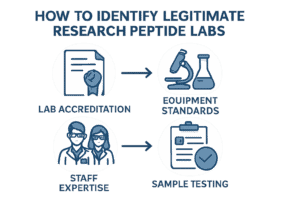
- Lab accreditation
- Method references
Selecting COAs from reputable labs ensures reliable testing results. Thorough documentation underpins robust scientific research, making this verification essential.
How to Interpret Peptide Testing Results
Understanding peptide testing results is vital for assessing research-grade compounds. Results outlined in the COA provide the foundation for determining peptide quality.
Start by examining the purity data. High purity indicates minimal contamination and aligns with scientific rigor. Look for a detailed breakdown of impurities to evaluate how they might impact research applications.
Next, focus on the analytical data. Techniques like HPLC and MS offer insights into peptide integrity and consistency. These results should match industry standards for accuracy and reliability.
Key data points include:
- Purity percentage
- Impurity levels
Analyze chromatograms and spectra if provided, as they offer visual confirmations of purity and identity.
- Peak resolution
- Mass accuracy
This technical data allows researchers to confirm the peptide’s expected characteristics, ensuring confidence in their materials.
Always ensure the data supports your research goals. Discrepancies can signal issues with the peptide batch, so thorough review is essential.
Common Red Flags and Pitfalls in COAs
Recognizing red flags in a peptide COA helps prevent research setbacks. A well-prepared COA should clearly communicate key details.
Lack of Specificity:
- Vague language without specific data points
- Missing analytical method descriptions
Such omissions can obscure understanding of a peptide’s true quality.
Inconsistencies or Omissions:
- Discrepancies between label claims and test results
- No mention of lot numbers or batch details
These inconsistencies might indicate issues with authenticity or quality control.
Be cautious of COAs lacking detailed impurity profiles or failing to cite storage instructions. These gaps can lead to misunderstandings and potentially compromise your research.
Researchers must critically evaluate every aspect of the COA. By identifying these common pitfalls, you help ensure the reliability of your peptide studies.
Digital Verification, Batch Traceability, and Technical Transparency
Digital verification plays a crucial role in confirming the authenticity of peptide COAs. Reliable vendors provide digital access to COA documents, often via QR codes or online portals. This feature allows researchers to quickly verify certificate details without ambiguity.
Batch traceability ensures that each peptide product can be tracked from production to purchase. This traceability involves consistent documentation, including batch numbers and manufacturing dates. Such detailed records enhance confidence in the peptide’s origin and handling throughout its lifecycle.
Technical transparency involves clear reporting of all methods and findings within the COA. Researchers expect the following elements to be explained clearly:
- Analytical techniques employed
- Specific findings from these techniques
- Source and purity of peptide materials
By maintaining these standards, vendors can assure that their peptide products align with expectations and maintain high-quality standards.
Frequently Asked Questions About Peptide COAs
Understanding peptide COAs can be challenging. Here, we address some common questions to assist researchers in navigating them effectively.
What is a peptide COA?
A peptide Certificate of Analysis verifies the quality and characteristics of a peptide batch. It offers insights into purity, analytical methods, and other vital parameters.
Why is batch consistency important?
Batch consistency ensures each peptide remains identical in quality and composition. This is crucial for replicable research outcomes across experiments.
Which analytical methods are most reliable?
Common methods include HPLC and MS. These techniques provide detailed information on purity and impurities, ensuring reliability.
What purity level should I expect?
Researchers should look for peptides with a purity level of at least 95% for accuracy in studies.
How do storage recommendations affect peptide use?
Proper storage is crucial for maintaining peptide stability and integrity over time. Always follow the COA instructions.
Where can I verify my peptide COA digitally?
Many suppliers offer digital verification. Always choose vendors who provide this option for added authenticity and ease.
Final Checklist: Evaluating a Peptide COA Step by Step
Reviewing a peptide Certificate of Analysis can seem daunting. Breaking it down into clear steps helps ensure thorough evaluation. Each element in the COA can provide critical information for research integrity.
First, verify the basics:
- Check the peptide sequence.
- Confirm the batch number.
- Ensure the sequence and batch match your order details.
Next, assess the analysis details:
- Look at the purity percentage, aiming for 95% or higher.
- Review the methods like HPLC or MS used for analysis.
- Examine the impurity profile to understand potential influences on your research.
Finally, ensure transparency and documentation integrity:
- Verify laboratory credentials.
- Check for consistent documentation across batches.
- Confirm digital verification options are available.
These steps ensure the peptide COA meets your research requirements, aiding in quality and accurate findings.
Conclusion: The COA as a Researcher’s Safeguard
A peptide Certificate of Analysis offers researchers a critical safeguard. This document provides clear evidence of a peptide’s quality and purity. It empowers informed decision-making by presenting transparent data.
Beyond confirming quality, the COA ensures research consistency. By maintaining rigorous documentation, researchers can verify the integrity of each peptide batch. This consistency is vital for achieving reliable experimental results.
The COA is more than a paper trail; it’s a commitment to research integrity. By thoroughly examining each element, researchers can mitigate risks and avoid pitfalls. In essence, a well-documented COA is a cornerstone of credible peptide research.