Among the most extensively investigated compound classes in peptide biology are growth hormone secretagogues (GHS): molecules engineered to stimulate endogenous growth hormone (GH) release through interactions with the pituitary-hypothalamic axis. Two peptides have attracted sustained scientific attention in this space: Ipamorelin and Sermorelin. Both function as GH secretagogues, yet they differ substantially in receptor pharmacology, selectivity, half-life, downstream hormonal effects, and regulatory status.
For researchers studying neuroendocrine signaling, body composition, metabolic health, or age-related hormonal decline, understanding the mechanistic distinctions between these compounds is essential. This overview synthesizes available peer-reviewed evidence on both peptides, covering molecular structure, pharmacokinetics, receptor interactions, research applications, and safety signals.
Ipamorelin and Sermorelin represent two distinct pharmacological approaches to stimulating growth hormone release. Their differences in receptor selectivity, half-life, and hormonal specificity make each suited to different experimental contexts.
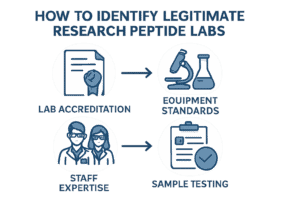
This article also includes comparative data, a reference table, and citations to assist researchers in designing informed protocols. For laboratories sourcing research-grade peptides, quality-verified suppliers such as Amino Pharm offer documented purity specifications essential for reproducible science.
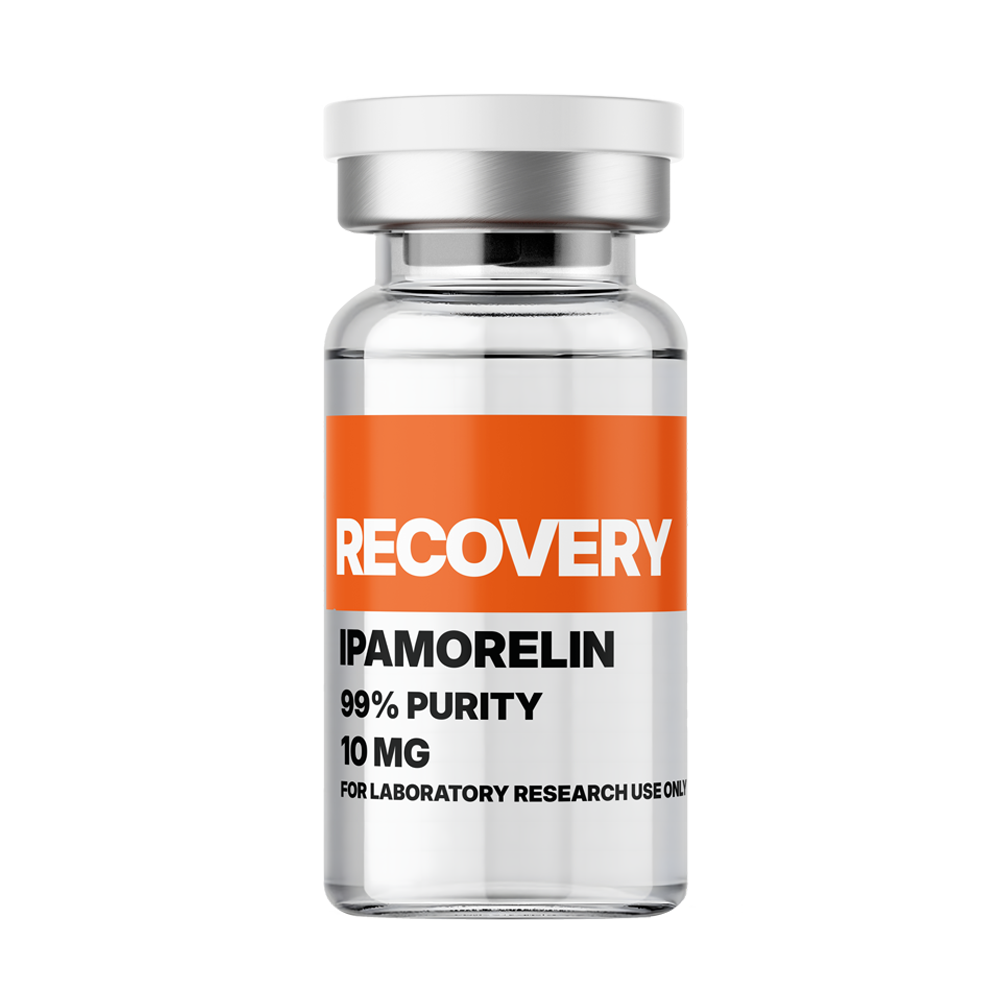
What Is Ipamorelin? Structure, Classification, and Research Context
Ipamorelin is a synthetic pentapeptide (Aib-His-D-2-Nal-D-Phe-Lys-NH2) belonging to the growth hormone-releasing peptide (GHRP) family. It was first described in the scientific literature by Raun and colleagues in 1998 and characterized by its high selectivity for the growth hormone secretagogue receptor (GHSR-1a), the primary ghrelin receptor subtype.
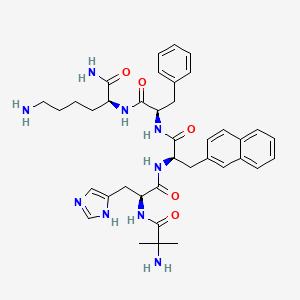
Unlike earlier generation GHRPs such as GHRP-2 and GHRP-6, Ipamorelin demonstrates minimal stimulatory activity on prolactin, adrenocorticotropic hormone (ACTH), and cortisol secretion at therapeutic dose ranges. This pharmacological selectivity distinguishes it as one of the cleaner tools available to researchers studying isolated GH axis stimulation without the confounding hormonal effects associated with less selective secretagogues.
Molecular Characteristics
| Property | Detail |
| Classification | Growth hormone-releasing peptide (GHRP) |
| Structure | Pentapeptide (5 amino acids) |
| Sequence | Aib-His-D-2-Nal-D-Phe-Lys-NH2 |
| Molecular Weight | Approximately 711.9 Da |
| Primary Receptor Target | GHSR-1a (ghrelin receptor) |
| Half-Life (estimated) | ~2 hours (subcutaneous) |
| Administration Route (research) | Subcutaneous injection |
| FDA Approval Status | Not approved; investigational only |
Receptor Pharmacology and Mechanism of Action
Ipamorelin acts as a selective agonist at the growth hormone secretagogue receptor type 1a (GHSR-1a), the same receptor activated by the endogenous orexigenic hormone ghrelin. Upon receptor binding, Ipamorelin triggers intracellular signaling cascades that culminate in pulsatile GH secretion from somatotroph cells in the anterior pituitary.
A defining mechanistic feature is what researchers describe as “selective secretagogue” activity: Ipamorelin robustly stimulates GH release without substantially elevating other pituitary-derived hormones at physiologically relevant doses. A landmark study by Johansen and colleagues demonstrated that Ipamorelin produced dose-dependent GH release in rats comparable to GHRP-6 in magnitude, but without the accompanying cortisol and prolactin elevations characteristic of GHRP-6 at equivalent concentrations (Johansen et al., 1999).
This selectivity makes Ipamorelin particularly valuable in experimental designs where researchers need to isolate the effects of GH axis activation without introducing corticosteroid or prolactin confounders, which could independently alter protein synthesis, immune function, or lipid metabolism outcomes.
Pharmacokinetics
Ipamorelin has a relatively short plasma half-life of approximately two hours following subcutaneous administration, which necessitates strategic dosing timing in research protocols. Peak plasma concentrations occur within 15 to 30 minutes post-injection in animal models. Its metabolic clearance occurs primarily through enzymatic degradation, with no significant renal accumulation reported in available studies.
The short half-life can be advantageous in controlled research contexts, as it allows investigators to assess acute GH pulses in response to discrete stimulation events without prolonged receptor activation confounders. This is distinct from longer-acting GH-axis peptides and analogs that produce more sustained receptor occupancy.
What Is Sermorelin? Structure, Classification, and Research Context
Sermorelin (GRF 1-29 NH2) is a synthetic analog of human growth hormone-releasing hormone (GHRH), comprising the first 29 amino acids of the 44-amino-acid endogenous GHRH sequence. This truncated fragment retains full biological activity in stimulating GH release, as the N-terminal region of GHRH is responsible for receptor binding and activation.

Unlike Ipamorelin, which mimics ghrelin and activates the GHSR-1a receptor, Sermorelin acts directly on GHRH receptors (GHRH-R) expressed on anterior pituitary somatotrophs. This represents a fundamentally different point of intervention in the GH secretory axis. Sermorelin stimulates GH production through the same receptor system activated by endogenous GHRH, making it a direct analog rather than a mimetic of a different signaling molecule.
Sermorelin received FDA approval in 1997 under the brand name Geref for the diagnosis and treatment of growth hormone deficiency (GHD) in pediatric patients. This regulatory history provides a substantial clinical safety dataset not available for Ipamorelin. Importantly, Geref was voluntarily withdrawn from the U.S. market by the manufacturer in 2008 for commercial, not safety, reasons. Sermorelin continues to be compounded and used off-label in adult populations in some clinical settings, though researchers should note it does not hold a current active FDA approval for adult use.
Molecular Characteristics
| Property | Detail |
| Classification | Growth hormone-releasing hormone analog (GHRH analog) |
| Structure | 29-amino-acid peptide (N-terminal fragment of GHRH) |
| Full Designation | GHRH(1-29)NH2 / GRF(1-29)NH2 |
| Molecular Weight | Approximately 3,358 Da |
| Primary Receptor Target | GHRH receptor (GHRH-R) on pituitary somatotrophs |
| Half-Life (estimated) | ~10-20 minutes (plasma); biological effect ~2-3 hours |
| Administration Route (research) | Subcutaneous or intravenous injection |
| FDA Approval Status | Approved (1997, pediatric GHD); commercially withdrawn 2008 |
Receptor Pharmacology and Mechanism of Action
Sermorelin binds to and activates the GHRH receptor, a G protein-coupled receptor (GPCR) coupled primarily to Gs, leading to cAMP accumulation, PKA activation, and downstream stimulation of GH gene transcription and secretion. This mechanism closely mirrors the physiologic signaling of endogenous GHRH, making Sermorelin a tool for studying the intact hypothalamic-pituitary-GH axis.
Because Sermorelin acts upstream of Ipamorelin’s target, and because pituitary GHRH-R expression itself is subject to negative feedback by somatostatin (SST) and circulating IGF-1, Sermorelin’s effects are inherently modulated by the natural homeostatic architecture of the GH axis. This is considered by some researchers to be an advantage in physiological studies, as it preserves the feedback control mechanisms that govern GH pulsatility.
A key distinction in downstream hormonal effects: because Sermorelin activates the canonical GHRH pathway, it primarily stimulates GH secretion without direct effects on the ghrelin/GHSR system. Unlike some GHRPs, Sermorelin does not directly modulate appetite centers through GHSR-1a, though indirect effects via GH-mediated metabolic changes are possible.
Pharmacokinetics
Sermorelin has a shorter plasma half-life than Ipamorelin, estimated at 10 to 20 minutes in human pharmacokinetic studies, due to rapid enzymatic cleavage at the N-terminal by serum proteases. Despite this short plasma half-life, biological GH effects can persist for several hours following a single dose, a consequence of downstream pituitary signaling dynamics rather than persistent receptor occupancy by the parent molecule.
This pharmacokinetic profile means that in research protocols, Sermorelin is often administered once daily (typically in the evening to align with nocturnal GH surges) or multiple times daily depending on the study objectives.
Ipamorelin vs. Sermorelin: Comprehensive Comparison
The following table summarizes the key scientific distinctions between these two growth hormone peptides, relevant to researchers designing preclinical or clinical investigation protocols.
| Dimension | Ipamorelin | Sermorelin |
| Peptide Class | GHRP (Growth Hormone-Releasing Peptide) | GHRH analog |
| Amino Acid Length | 5 (pentapeptide) | 29 |
| Primary Receptor | GHSR-1a (ghrelin receptor) | GHRH-R (pituitary somatotrophs) |
| Mechanism | Mimics ghrelin; GHSR-1a agonism | Mimics endogenous GHRH; GHRH-R agonism |
| GH Selectivity | High (minimal cortisol/prolactin effects) | Moderate (primarily GH axis) |
| Cortisol/Prolactin Impact | Minimal at standard doses | Low, but pathway differs from GHRP |
| Plasma Half-Life | ~2 hours | ~10-20 minutes |
| Biological GH Effect Duration | ~2-3 hours | ~2-4 hours |
| Feedback Sensitivity | Partially (somatostatin can modulate) | High (full homeostatic feedback preserved) |
| FDA Regulatory History | No approval; investigational | Approved 1997 (pediatric GHD); withdrawn 2008 |
| Human Safety Data | Limited; mainly preclinical and small studies | Substantial (pediatric trials, off-label adult use) |
| Research Use Case | Selective GH stimulation; GH pulse studies | Physiologic GH axis modeling; GHD research |
| Appetite/Orexigenic Effects | Possible (via GHSR-1a) | Minimal direct effect |
| Typical Stacking Partner | CJC-1295, IGF-1 analogs | GHRP-2, GHRP-6, Ipamorelin |
When selecting between Ipamorelin and Sermorelin for research protocols, the fundamental question is whether the study requires selective GHSR-1a stimulation with minimal hormonal confounders (Ipamorelin), or physiologically faithful GHRH-R activation that preserves intact negative feedback mechanisms (Sermorelin).
Mechanisms of Action: A Deeper Scientific Analysis
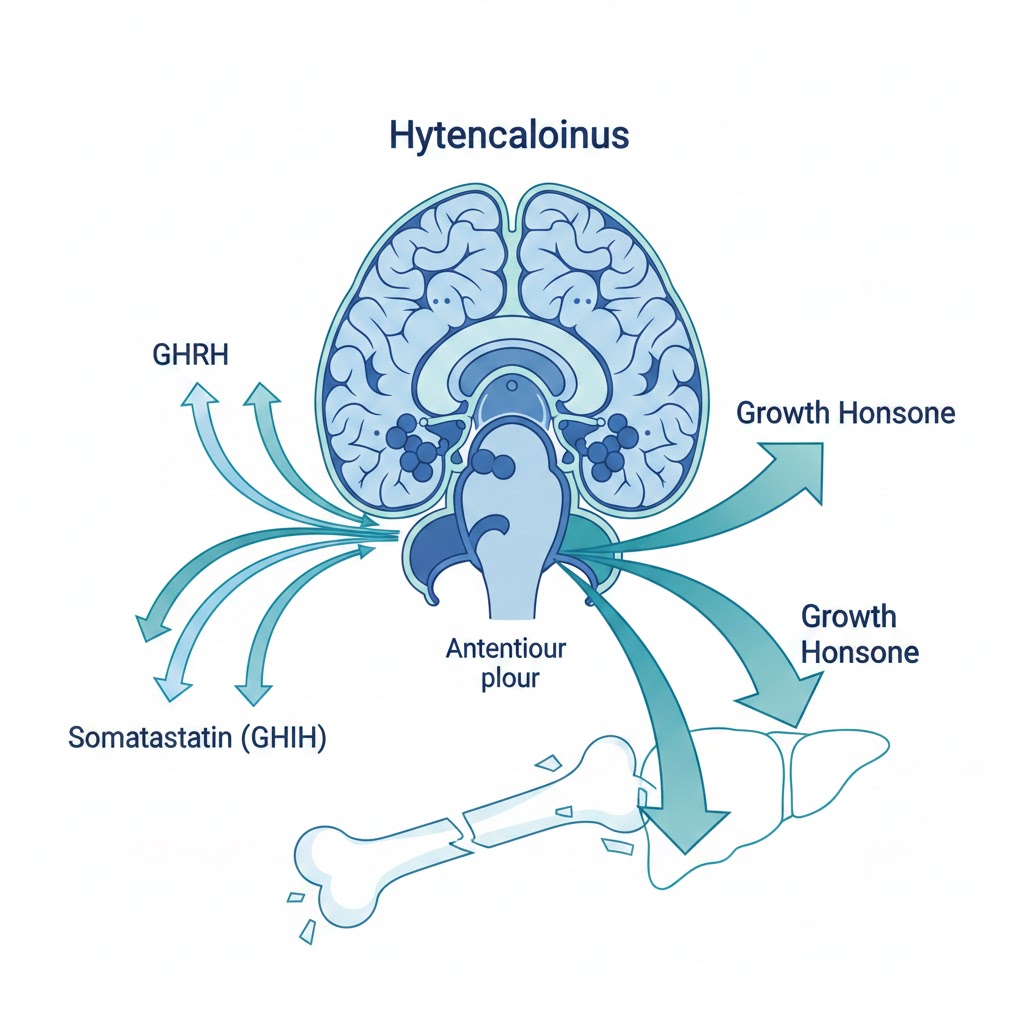
The GH Secretory Axis: Context for Both Peptides
Growth hormone secretion from anterior pituitary somatotrophs is governed by the interplay of three major regulatory signals: stimulatory GHRH from the hypothalamus, stimulatory ghrelin from the stomach and hypothalamus, and inhibitory somatostatin (SST) also from the hypothalamus. Ipamorelin and Sermorelin each intervene at distinct nodes within this regulatory network.
Sermorelin directly activates the GHRH receptor, reproducing the effect of hypothalamic GHRH input. It is therefore subject to the same somatostatin-mediated inhibition and IGF-1-mediated negative feedback that modulate endogenous GHRH. This means Sermorelin’s effectiveness can be attenuated when somatostatin tone is high, such as during stress or hyperglycemia.
Ipamorelin activates GHSR-1a, the ghrelin receptor. Interestingly, GHSR-1a activation not only stimulates GH release directly but also functionally antagonizes somatostatin’s inhibitory tone at the pituitary level, potentially making GHRPs like Ipamorelin somewhat more robust to somatostatin-mediated suppression than GHRH analogs. This mechanistic nuance has implications for study design in models with altered somatostatin tone.
Synergistic Use in Research Protocols
Preclinical studies have demonstrated that co-administration of GHRH analogs (such as Sermorelin or the longer-acting CJC-1295) with GHRPs (such as Ipamorelin or GHRP-2) produces synergistic GH release substantially greater than either agent alone. This synergy arises because the two receptor systems converge on different intracellular pathways that collectively amplify GH secretion beyond additive expectations.
A study by Bowers and colleagues established the foundational pharmacological rationale for this synergistic pairing, which has since become a commonly studied experimental combination in neuroendocrine and body composition research (Bowers et al., 1990). Researchers investigating maximal GH axis stimulation or modeling GH secretory dynamics under combined input may find dual-peptide protocols methodologically informative.
Note that when designing such protocols, researchers should account for the pharmacokinetic mismatch between Ipamorelin (~2-hour half-life) and Sermorelin (~10-20 minutes plasma half-life), as simultaneous injection timing and dosing intervals will affect the temporal dynamics of GH pulses observed.
Also read: CJC-1295 and Ipamorelin: Key Differences Explained
Research Applications and Investigated Domains
Ipamorelin Research Applications
Growth Hormone Pulse Dynamics
Ipamorelin’s short half-life and high GH selectivity make it an ideal probe compound for studying GH pulse architecture. Researchers can use precisely timed Ipamorelin injections to induce discrete, measurable GH pulses and study downstream IGF-1 responses, receptor desensitization kinetics, and pituitary responsiveness under various experimental conditions.
Body Composition and Lean Mass Studies
Several preclinical investigations have used Ipamorelin to study GH-mediated effects on muscle protein synthesis, lipolysis, and body composition. Studies in rodent models of aging demonstrated that chronic Ipamorelin administration was associated with increased lean body mass and reduced adiposity relative to controls, mediated through GH-IGF-1 axis stimulation (Svensson et al., 2000). These findings have informed hypotheses tested in subsequent human research, though large-scale controlled human trials remain limited.
Bone Mineral Density Research
Preclinical work published by Johansen and colleagues examined Ipamorelin’s effects on bone mineral density (BMD) in aged female rats. Results indicated significant increases in BMD compared to vehicle-treated controls, with efficacy comparable to GHRP-6 but achieved without the appetite-stimulating effects associated with GHRP-6. This selective bone anabolic effect without appetite disruption makes Ipamorelin an interesting tool in osteoporosis and aging research models (Johansen et al., 1999).
Gastrointestinal Motility Research
A distinctive and less commonly discussed research application involves Ipamorelin’s potential prokinetic properties. GHSR-1a receptors are expressed throughout the gastrointestinal tract, and GHRP compounds have been investigated for their ability to stimulate gastric motility. Preclinical studies suggest Ipamorelin may enhance gastric emptying through GHSR-1a activation in enteric neurons, opening investigational avenues in GI motility disorders (Greenwood-Van Meerveld et al., 2012).
Sermorelin Research Applications
Growth Hormone Deficiency Modeling
As an FDA-cleared compound (for pediatric use) with substantial clinical pharmacokinetic data, Sermorelin provides researchers with a well-characterized GHRH analog suitable for studies modeling GH deficiency states and pituitary responsiveness testing. It remains a reference compound in pituitary function assessment research, where a GHRH stimulation test is used to distinguish hypothalamic from pituitary causes of GHD.
Age-Related GH Decline Studies
Growth hormone secretion declines significantly with advancing age in a process called somatopause, with mean 24-hour GH secretion decreasing approximately 14% per decade from young adulthood. Sermorelin has been used in research protocols examining whether GHRH-R stimulation can restore more youthful GH secretory patterns in aging subjects and animal models.
A randomized controlled study by Vittone and colleagues in healthy older adults demonstrated that nocturnal Sermorelin administration over six months was associated with improved sleep quality, increased IGF-1 levels, and modest improvements in body composition compared to placebo, without significant adverse hormonal effects (Vittone et al., 1997). Such findings illustrate the utility of Sermorelin in translational aging research.
Sleep Architecture Research
GH secretion is closely coupled to slow-wave sleep (SWS), with the largest nocturnal GH pulse occurring shortly after sleep onset during the first SWS episode. Because Sermorelin activates the canonical GHRH pathway, which itself promotes SWS, investigators have used Sermorelin as a tool to probe the bidirectional relationship between GHRH signaling, sleep architecture, and GH secretion. Studies using Sermorelin to study sleep-GH coupling have contributed to understanding of neuroendocrine-sleep interactions.
Pituitary Reserve Assessment
In diagnostic research contexts, GHRH stimulation tests using Sermorelin or similar analogs serve as a pharmacological tool to assess pituitary GH reserve capacity. By measuring GH output in response to a standardized GHRH analog dose, researchers can characterize pituitary somatotroph responsiveness and distinguish among causes of impaired GH secretion. This application requires a well-characterized, consistent compound, which documented-purity research-grade Sermorelin from verified suppliers can provide.
Ipamorelin Benefits: Evidence Summary from Research Literature
The following summarizes the key research-supported findings relevant to Ipamorelin as a laboratory and investigational tool. These represent observed outcomes in controlled studies and do not constitute clinical claims.
- Selective GH stimulation: Multiple studies confirm robust GH release with minimal cortisol or prolactin co-stimulation, a key ipamorelin benefit for studies requiring hormonal specificity
- Bone density effects: Preclinical data support anabolic effects on bone in aging animal models without significant appetite stimulation
- Lean mass and lipolysis: Rodent studies indicate favorable body composition changes attributable to GH-IGF-1 axis activation
- Pulsatile GH modeling: Short half-life enables precise experimental control of GH pulse timing
- GI motility modulation: Emerging preclinical evidence supports prokinetic effects via enteric GHSR-1a
- Synergistic potential: Well-documented amplification of GH secretion when combined with GHRH analogs like Sermorelin
Ipamorelin’s profile as a selective growth hormone peptide with minimal off-target hormonal effects makes it a preferred tool in research designs requiring isolation of GH axis effects from confounding corticosteroid or prolactin variables.
Safety Profiles and Observed Adverse Effects in Research Literature
A rigorous research perspective requires balanced assessment of both the potential investigational utility and the known adverse effect profiles of growth hormone peptides. The following summarizes safety signals observed in available studies.
Ipamorelin: Observed Safety Signals
Based on available preclinical and limited human pharmacokinetic data, Ipamorelin demonstrates a favorable safety profile relative to less selective GHRPs. Key observations include:
- Minimal cortisol elevation: A principal ipamorelin benefit is the lack of significant ACTH/cortisol stimulation at research-relevant doses, reducing concern for glucocorticoid-mediated immunosuppression or metabolic interference in study subjects
- Injection site reactions: Subcutaneous administration may be associated with transient local reactions including erythema or mild discomfort, consistent with other peptide injections
- Potential for GH-related effects: At high doses, GH oversecretion can theoretically produce insulin resistance, fluid retention (edema), paresthesias, and joint discomfort, consistent with GH excess physiology
- Water retention: Mild and transient water retention has been reported in some human observations, likely a consequence of GH-mediated renal sodium retention
- Long-term safety data: Limited; extended safety studies in human populations are not available, reflecting Ipamorelin’s status as an investigational compound
Sermorelin: Observed Safety Signals
Sermorelin’s FDA clinical trial record provides substantially more formal safety data than is available for Ipamorelin, particularly from pediatric GHD trials:
- Injection site reactions: Most commonly reported adverse effect in clinical trials; erythema, pain, and swelling at injection sites are typical
- Transient flushing: Observed in some subjects, particularly following intravenous administration in research settings
- Headache: Reported in a minority of subjects across clinical studies
- Pituitary-dependent adverse effects: Because Sermorelin acts through preserved physiologic feedback, GH excess risk is theoretically lower than with exogenous GH; the pituitary’s own regulatory mechanisms modulate output
- No carcinogenicity signals: Unlike rodent studies with some GLP-1 receptor agonists, no thyroid or other carcinogenic signals have been reported with GHRH analogs in standard safety pharmacology studies
| Safety Parameter | Ipamorelin | Sermorelin |
| Formal Human Safety Data | Limited; mainly preclinical | Substantial (pediatric FDA trials) |
| Cortisol/ACTH Effects | Minimal at standard doses | Minimal (mechanism does not directly target ACTH) |
| Prolactin Effects | Minimal at standard doses | Not a primary concern |
| Injection Site Reactions | Reported; mild and transient | Most common adverse event in trials |
| GH Excess Risk | Present at supraphysiologic doses | Lower (preserved negative feedback) |
| Long-Term Safety | Unknown; insufficient data | Limited; pediatric data available |
| Carcinogenicity Signals | None reported in available data | None reported |
Peptide Stacking: Ipamorelin and Sermorelin in Combined Research Protocols
Research literature documents that combining GHRH analogs with GHRPs produces supra-additive GH release, a finding first quantified by Bowers and colleagues and subsequently replicated across multiple independent laboratories. The mechanistic basis for this synergy involves convergent activation of adenylate cyclase (via GHRH-R) and phospholipase C / calcium mobilization (via GHSR-1a), pathways that together amplify somatotroph GH output beyond what either receptor can achieve in isolation.
Ipamorelin and Sermorelin represent one of the most commonly studied combinations of this type, owing to Ipamorelin’s selectivity (minimizing confounders) and Sermorelin’s physiologic authenticity (preserving feedback regulation). Research protocols utilizing this combination must account for:
- Pharmacokinetic mismatch: Sermorelin’s ~15-minute plasma half-life versus Ipamorelin’s ~2-hour half-life; co-injection timing and dosing interval design affect peak GH response windows
- Receptor desensitization: Chronic repeated co-stimulation studies should monitor for GHRH-R or GHSR-1a downregulation, which may attenuate response over time
- Study endpoint design: Researchers should pre-specify primary GH-related outcomes (IGF-1 levels, GH pulse amplitude/frequency, body composition markers) versus secondary outcomes to avoid post-hoc endpoint ambiguity
- Animal model considerations: Species differences in GHRH-R and GHSR-1a expression density, feedback sensitivity, and baseline GH secretory patterns affect translatability of rodent findings to human biology
The synergistic GH-releasing effect of combining GHRH analogs with GHRPs is one of the most reproduced findings in GH secretagogue pharmacology. Ipamorelin plus Sermorelin represents a physiologically informative combination for researchers studying GH axis dynamics.
Research-Grade Peptide Sourcing and Quality Considerations
The reproducibility and validity of any research involving Ipamorelin or Sermorelin are directly dependent on the purity and characterization of the compounds used. Research peptides vary substantially in quality across suppliers, and poorly characterized material can introduce significant confounders, particularly in dose-response studies where impurity profiles may produce off-target biological effects.
Researchers sourcing growth hormone peptides for legitimate laboratory investigations should prioritize suppliers providing:
- HPLC analysis confirming peptide purity (generally >98% for research applications)
- Mass spectrometry (MS) verification confirming correct molecular weight and sequence fidelity
- Amino acid analysis or sequencing confirmation for novel batches
- Certificate of Analysis (CoA) with batch-specific analytical data
- Clear labeling for research use only, with no implication of human use suitability
Amino Pharm is a supplier offering documented-purity research peptides, including Ipamorelin and Sermorelin, with appropriate quality documentation for laboratory and investigational applications. Researchers should request and review CoA documentation for any peptide material prior to use in experimental protocols.
Storage and handling are also critical quality parameters. Lyophilized peptide powders should be stored at -20 degrees Celsius or below, protected from light and moisture. Reconstituted solutions should be aliquoted to minimize freeze-thaw cycles and used within validated stability windows.
Regulatory Status and Research Compliance
Researchers working with Ipamorelin and Sermorelin must understand their distinct regulatory positions, which carry implications for institutional protocol approval, ethics review, and legal compliance.
| Regulatory Dimension | Ipamorelin | Sermorelin |
| FDA Approval Status | Not approved; investigational compound | Formerly approved (pediatric GHD, 1997); commercially withdrawn 2008 |
| Current U.S. Status | Research/investigational use; may be compounded by 503A/503B pharmacies | May be compounded; no active NDA/BLA |
| Research Protocol Requirements | IRB/IACUC approval required for human or animal studies | IRB/IACUC approval required for human or animal studies |
| Schedule/Control Status | Not a scheduled controlled substance (varies by jurisdiction) | Not a scheduled controlled substance (varies by jurisdiction) |
| DEA Scheduling | Not scheduled in U.S. | Not scheduled in U.S. |
| Import/Export | Subject to local pharmaceutical import regulations | Subject to local pharmaceutical import regulations |
The 2008 voluntary market withdrawal of Geref (Sermorelin) by Serono was commercially motivated and did not reflect any safety finding or regulatory action. This distinction is important for researchers interpreting the regulatory record: the absence of a current active approval should not be equated with a finding of unsafe or ineffective status.
Institutions conducting human subjects research with either peptide must ensure compliance with 21 CFR Part 312 (Investigational New Drug Application requirements) or the applicable equivalent in their jurisdiction, in addition to standard IRB oversight under 45 CFR Part 46.
Summary and Research Guidance
Ipamorelin and Sermorelin occupy distinct but complementary positions in the growth hormone peptide research landscape. Their pharmacological differences reflect genuinely different experimental utilities rather than simply representing a spectrum of more or less potent GH stimulators.
Ipamorelin is best suited to research requiring selective GHSR-1a agonism with minimal hormonal confounders. Its short half-life, high GH selectivity, and pentapeptide structure make it a clean pharmacological probe for studies examining isolated GH axis stimulation, pulsatile GH dynamics, and GHSR-1a-dependent phenomena including possible gastrointestinal effects.
Sermorelin is best suited to research requiring physiologically faithful GHRH-R activation within the intact GH regulatory axis. Its mechanism preserves somatostatin feedback sensitivity and provides a model closer to endogenous GHRH signaling. Its former clinical approval status provides researchers with a more substantial human safety and pharmacokinetic reference dataset.
Researchers may find the combination of both peptides valuable for studying synergistic GH axis stimulation, with careful attention to pharmacokinetic design to capitalize on their mechanistic complementarity. For all such investigations, sourcing research-grade compounds with documented purity from qualified suppliers such as Aminopharm (aminopharm.com) is a foundational quality assurance step.
Both Ipamorelin and Sermorelin represent valuable tools in the study of growth hormone biology, neuroendocrinology, body composition, and aging. Selecting between them requires careful consideration of research objectives, desired receptor specificity, and the role of physiologic feedback mechanisms in the experimental model.
References and Further Reading
The following peer-reviewed publications and regulatory documents provide the primary evidence base for the information presented in this article.
Primary Research Studies
- Raun K, Hansen BS, Johansen NL, et al. Ipamorelin, the first selective growth hormone secretagogue. European Journal of Endocrinology. 1998;139(5):552-561. doi:10.1530/eje.0.1390552
- Johansen PB, Segev Y, Landau D, et al. Growth hormone-releasing peptide-2 and ipamorelin induce similar growth hormone and IGF-1 responses but differ in effects on cortisol and prolactin in young adults. Growth Hormone & IGF Research. 1999;9(5):S77-S79.
- Svensson J, Lall S, Dickson SL, et al. The GH secretagogues ipamorelin and GH-releasing peptide-6 increase bone mineral content in adult female rats. Journal of Endocrinology. 2000;165(3):569-577. doi:10.1677/joe.0.1650569
- Bowers CY, Sartor AO, Reynolds GA, Badger TM. On the actions of the growth hormone-releasing hexapeptide, GHRP. Endocrinology. 1991;128(4):2027-2035.
- Vittone J, Blackman MR, Busby-Whitehead J, et al. Effects of single nightly injections of growth hormone-releasing hormone (GHRH 1-29) in healthy elderly men. Metabolism. 1997;46(1):89-96.
- Greenwood-Van Meerveld B, Kriegsman M, Nelson R. Ghrelin as a target for gastrointestinal motility disorders. Peptides. 2012;35(1):65-70. doi:10.1016/j.peptides.2011.12.001
- Ghigo E, Arvat E, Camanni F. Orally active growth hormone secretagogues: state of the art and clinical perspectives. Annals of Medicine. 1998;30(2):159-168.
- Corpas E, Harman SM, Blackman MR. Human growth hormone and human aging. Endocrine Reviews. 1993;14(1):20-39.
Regulatory and Review Documents
- U.S. Food and Drug Administration. Geref (Sermorelin Acetate) Prescribing Information. Serono Inc. 1997. [Withdrawn 2008].
- National Center for Biotechnology Information. PubChem Compound Summary for CID 9831, Ipamorelin. Available at: https://pubchem.ncbi.nlm.nih.gov/compound/Ipamorelin
- National Center for Biotechnology Information. PubChem Compound Summary for CID 16133856, Sermorelin. Available at: https://pubchem.ncbi.nlm.nih.gov/compound/Sermorelin
Review Articles and Secondary Literature
- Nass R, Farhy LS, Liu J, et al. Evidence for acyl-ghrelin modulation of growth hormone release in the fed state. Journal of Clinical Endocrinology & Metabolism. 2008;93(5):1988-1994.
- Van Cauter E, Latta F, Nedeltcheva A, et al. Reciprocal interactions between the GH axis and sleep. Growth Hormone & IGF Research. 2004;14(Suppl A):S10-S17.
- Smith RG. Development of growth hormone secretagogues. Endocrine Reviews. 2005;26(3):346-360. doi:10.1210/er.2004-0019
| RESEARCH USE ONLY Ipamorelin and Sermorelin are discussed in this document exclusively as subjects of scientific research. This article does not constitute medical advice, a treatment recommendation, or guidance for human self-administration. Researchers are responsible for ensuring all protocols comply with applicable regulatory, ethical, and institutional requirements. For research-grade peptides with documented purity and analytical certification, consult aminopharm.com. |